

ARC Bio demonstrates a pathway to convert Canadian forest residues into refinery-ready biocrude and ultimately jet-range fuel through refinery co-processing. The campaign produced barrel-scale ARC, demonstrated FCC co-processing and generated a SAF blend that met key ASTM fuel-property specifications, while generating data to support future commercial-scale deployment.
ARC Bio has successfully demonstrated a pathway to produce sustainable aviation fuel (SAF) from Canadian forest residues through refinery co-processing. The project connects Canada’s forest sector with existing refining infrastructure, demonstrating how residual woody biomass can be converted into a refinery-ready biocrude and processed alongside conventional feedstocks to produce transportation fuels, including SAF.
“Canada has the biomass feedstock, forest sector expertise, industrial capability and refining infrastructure to build an important new clean fuel value chain,” said Serge Mercier, President of Bioénergie AECN. “This work creates a direct connection between Canada’s forest economy and the growing need for low-carbon fuels in aviation and marine transportation markets.”
The demonstration began with fast pyrolysis oil produced from Canadian forest residues by Bioénergie AECN in Port-Cartier, Quebec. The bio-oil was upgraded into barrel-scale quantities of Alder Renewable Crude (ARC), a transportable biocrude designed for integration with existing refinery infrastructure.
ARC was then processed in a fluid catalytic cracking (FCC) pilot unit that simulates commercial refinery operation. Carbon-14 analysis of the resulting fuel products confirmed the presence of biogenic carbon from the wood residue-derived feedstock.
The FCC campaign produced a jet-range fuel fraction that was isolated and evaluated for blending with HEFA-based SAF produced from fats, oils and greases. The resulting blend met the key ASTM D1655 fuel-property specifications evaluated in the screening.
“The significance of this demonstration is not simply that we produced a renewable jet-range fuel,” said Derek Vardon, CEO of Alder Renewables. “We demonstrated a pathway connecting Canadian forest residues with refinery infrastructure already operating at commercial scale. That creates the potential for a scalable, capital-efficient route to bring forest-derived renewable carbon into aviation fuel markets.”
With financial support from Boeing, the program was established to validate the conversion of forestry residues into SAF in Canada while generating the technical and economic data needed to support future commercial deployment.
Canada’s forest industry generates significant volumes of woody residues. As traditional markets face changing demand and international trade pressures, new higher-value uses for these materials can create additional markets for the forest sector while supplying renewable carbon to industries that are difficult to decarbonize.
The pathway may also create opportunities for low-value woody biomass generated through forest management and wildfire-risk reduction, where appropriate feedstock supply chains can be established.
By converting these materials into an energy-dense, transportable biocrude, ARC Bio is developing a model that can connect distributed forestry resources with large-scale fuel refining infrastructure.
A key feature of the ARC Bio pathway is its ability to integrate with infrastructure already operating at commercial scale.
Fluid catalytic cracking is widely used in refineries around the world to produce transportation fuel components. Introducing ARC into existing refinery processes provides a pathway for connecting renewable forestry feedstocks with established fuel-production assets, reducing the need to build an entirely new standalone refinery.
The next stage of the program will generate additional refinery-relevant data to support commercial-scale trials. ARC Bio’s longer-term roadmap is aimed at enabling a first-of-a-kind Canadian commercial project integrating forest-residue conversion, biocrude production and existing refinery infrastructure.
Building momentum with technology validation, strategic partnerships, and new projects
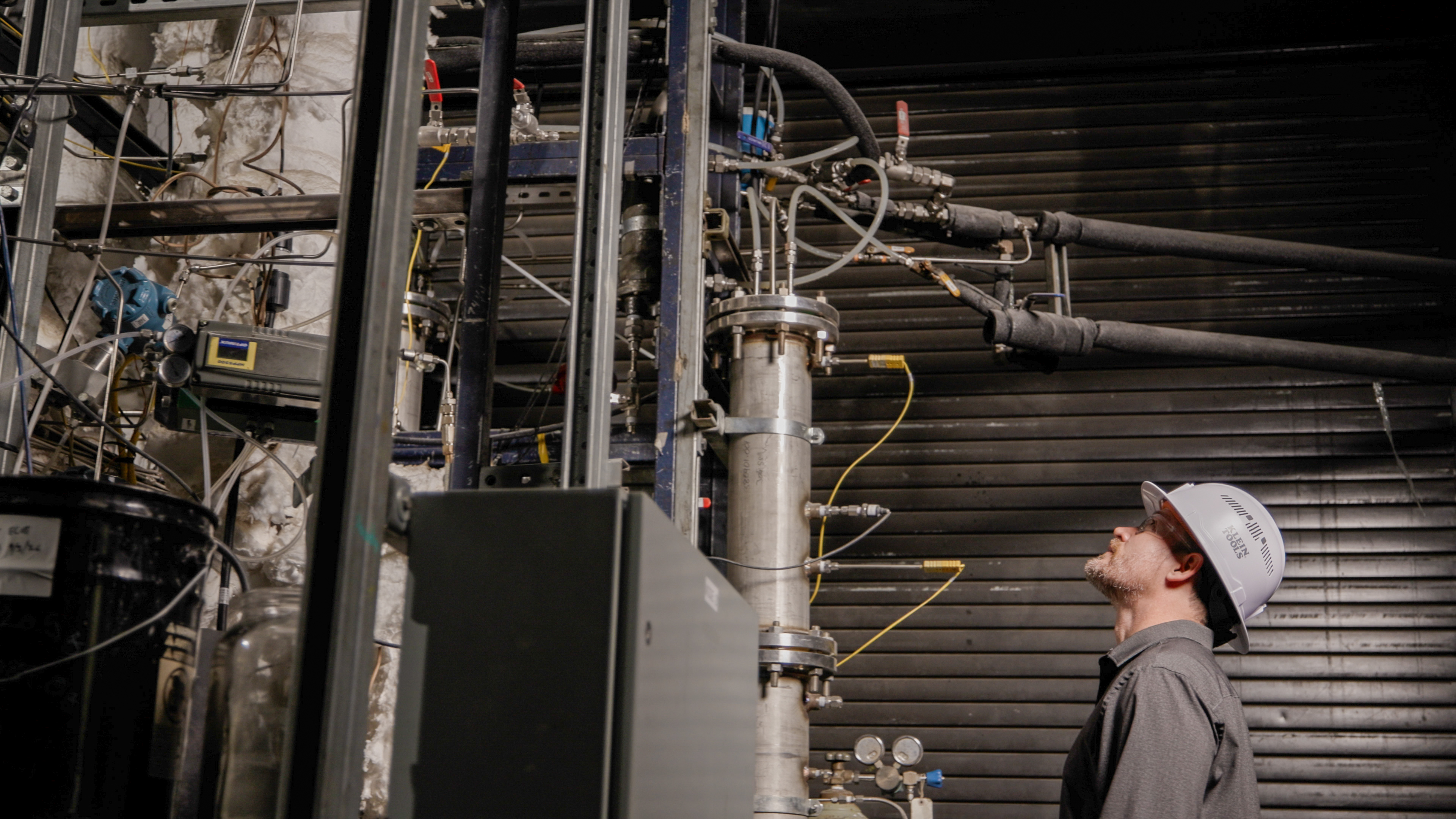
ARC Bio demonstrates a pathway to convert Canadian forest residues into refinery-ready biocrude and ultimately jet-range fuel through refinery co-processing. The campaign produced barrel-scale ARC, demonstrated FCC co-processing and generated a SAF blend that met key ASTM fuel-property specifications, while generating data to support future commercial-scale deployment.
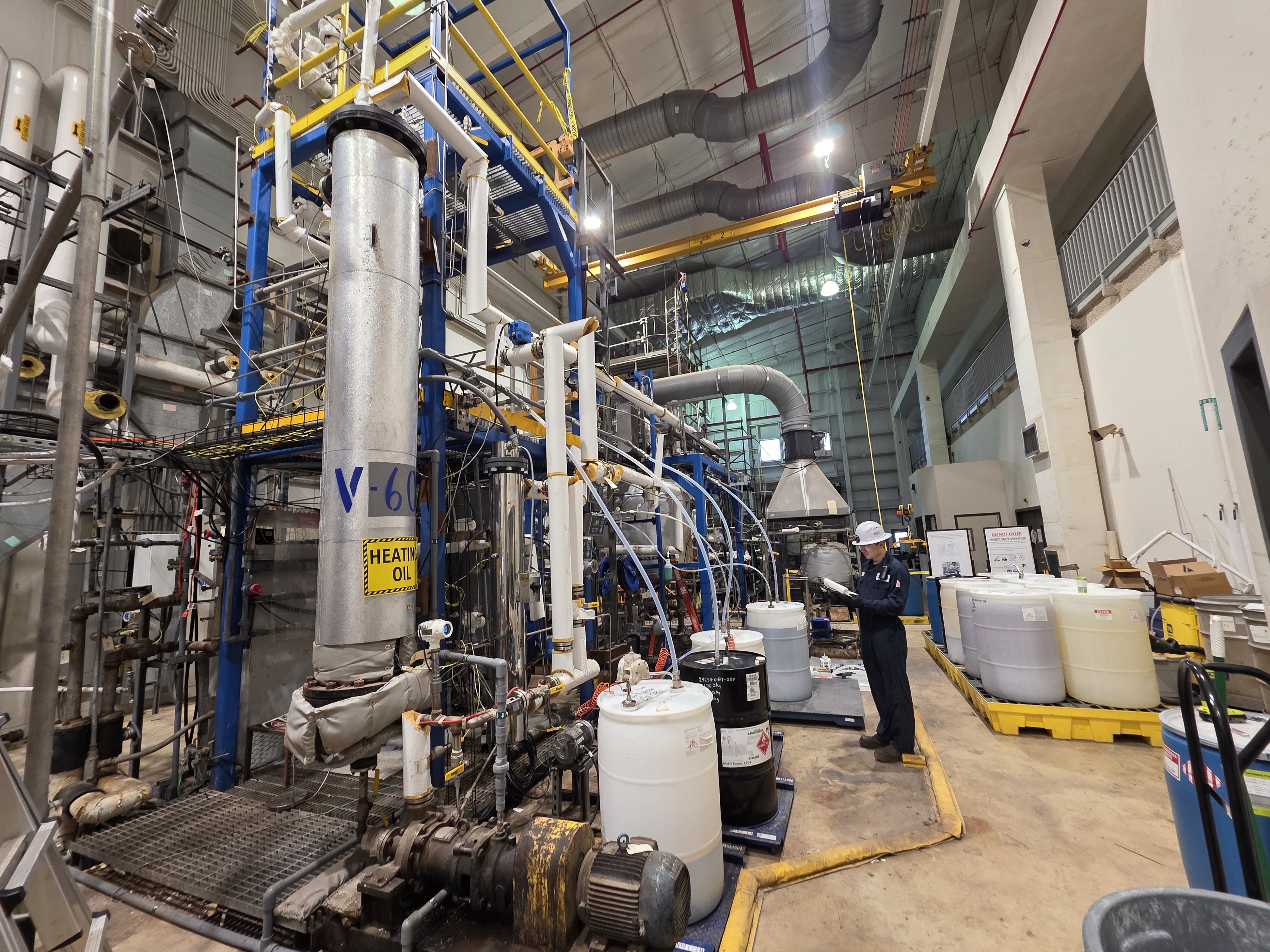
Project Avance demonstrates a scalable, cost‑effective path to advanced biofuels by converting forestry residues into refinery‑ready ARC. The pilot campaign met performance targets, showing scientific and operational progress. By leveraging existing pyrolysis and refinery infrastructure, the approach reduces costs, enhances energy security, and proves abundant biomass can deliver viable low‑carbon fuels.
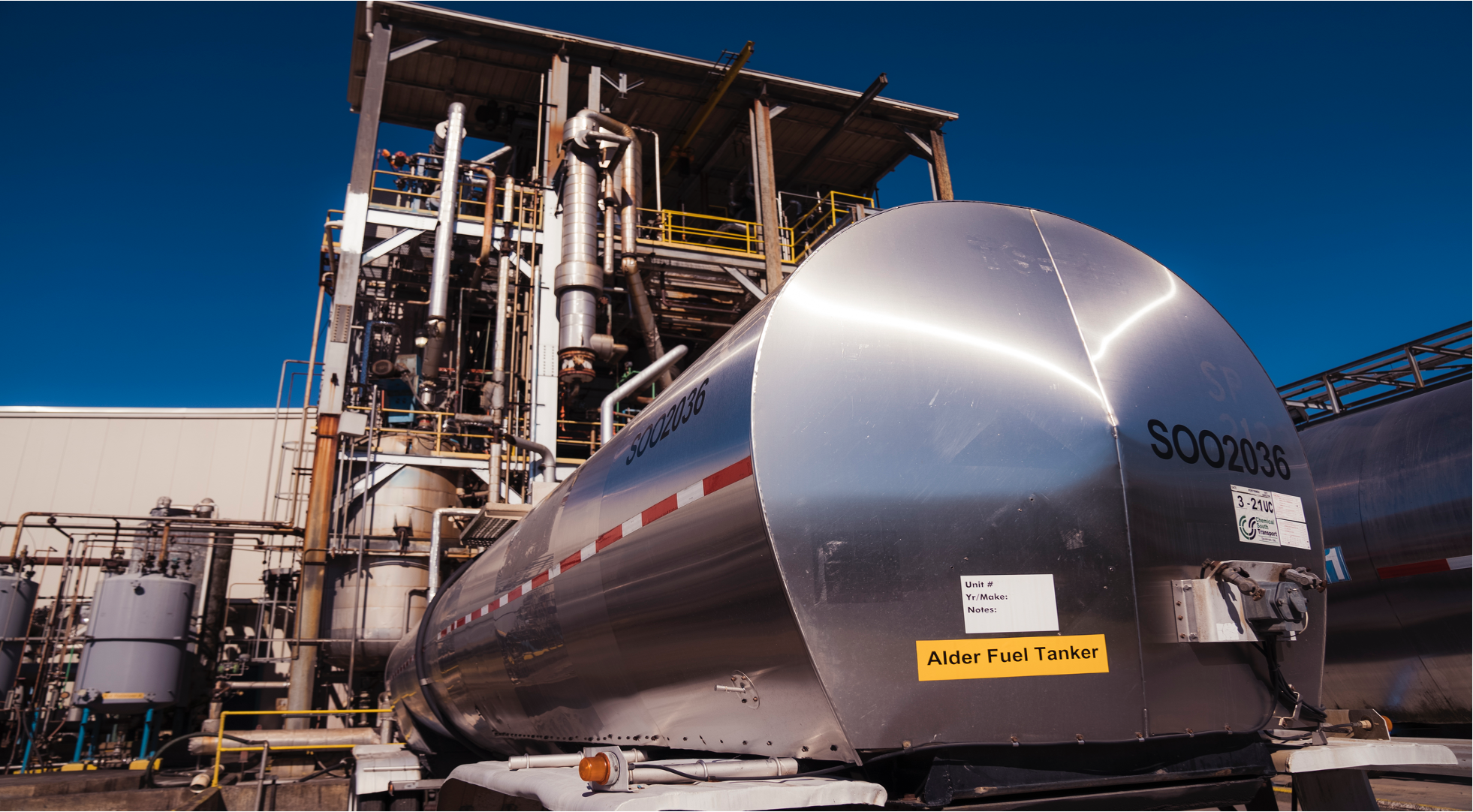
Together with Boeing, Bioénergie AE Côte-Nord, and Alder Renewables, we are launching Project Avance to produce SAF from sawmill residues in Port-Cartier, Québec. Boeing is investing CAD $10 million in the project as part of its Industrial and Technological Benefits commitment to Canada. The project will use Alder’s technology to produce Alder Renewable Crude (ARC) for refining into SAF and other hydrocarbon fuels.